
Short on time? Brief version here …
On Monday 2nd November 2026, Graeme Downie, Member of Parliament for Dunfermline and Dollar, brought in a Bill in the House of Commons to make the Secretary of State for Defence publish a strategy for recycling decommissioned submarines. It is listed for second reading on Friday 4th December 2026.
- HMS Swiftsure, which left service in 1992, is set to be the first Royal Navy nuclear submarine fully dismantled.
- About 90% of her is expected to be reused or recycled.
- Six more Boats wait at Rosyth and another 16 at Devonport.
- The strategy would include a timetable for every Boat waiting at both dockyards.
On Monday 2nd November 2026, Graeme Downie, Member of Parliament for Dunfermline and Dollar, asked the House of Commons for leave to bring in a Bill “to require the Secretary of State to prepare and publish a strategy for recycling decommissioned submarines”. The House agreed, and the Submarine Recycling Strategy Bill had its first reading the same day.
HMS Swiftsure
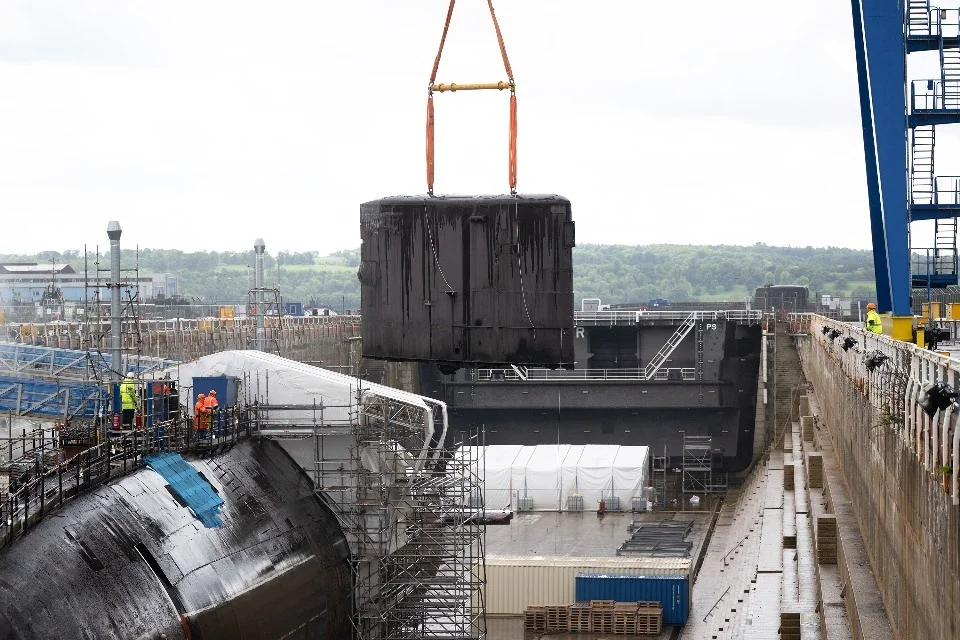
The Bill comes as HMS Swiftsure, which left service in 1992, nears the end of her dismantling at Rosyth. She is set to be the first Royal Navy nuclear submarine ever fully dismantled, with the work due to finish by the end of 2026.
Graeme Downie told the House that about 90% of her is expected to be reused or recycled. More than 500 tonnes of material has already been taken out and recycled, and her fin was lifted off whole so its steel could be recovered. The best of the steel from these Boats is going into parts for future submarines, including the Dreadnought class.
The Boats Still Waiting
Six more Boats are laid up at Rosyth: Dreadnought, Churchill, Resolution, Repulse, Renown and Revenge. Another 16 are at Devonport.
HMS Dreadnought, Britain’s first nuclear submarine, has been at Rosyth since 1980. “She has now spent far longer waiting to be recycled than she ever spent at sea,” Graeme Downie said.
He reminded the House that a Defence Minister had promised in 1995 that Rosyth would not become a graveyard for old submarines, and that in 2019 the National Audit Office found that none of the 20 submarines retired since 1980 had been disposed of.
What the Bill Would Do
The Bill would place a duty on the Secretary of State for Defence to publish a strategy for recycling the United Kingdom’s decommissioned submarines. It would have to include:
- a timetable for the Boats waiting at Rosyth and Devonport
- a plan for the skills and supply chain the work needs
- arrangements for safe regulation and waste
- regular reports to the House of Commons
About 200 people work on the programme at Rosyth today. Graeme Downie said the next phase could support around 300 skilled jobs for 20 to 30 years. He also criticised Scottish National Party members who have opposed the work.
The Bill is backed by Members of Parliament from the Labour, Conservative and Liberal Democrat benches.
In Westminster Hall
Eight days later, in the debate on the Submarine Service’s 125th anniversary, Graeme Downie said more than 60% of the work on HMS Swiftsure had been completed, and asked the Government for an update on the next stages of the programme. Calvin Bailey, the Minister for Veterans and People, called HMS Swiftsure “a demonstrator of the necessary recycling capabilities”.
What Happens Next
The Bill is listed for its second reading on Friday 4th December 2026. We will update this item after that date.
The debate is in Hansard.
0 Comments